If you have any information related to this topic or thoughts to share, please let me know. I can be reached at bin.xu@emory.edu.
The COVID-19 pandemic, the biggest global disaster of our time, killed more than seven million people around the world, exposed and dramatized the cracks in the foundation of societies, and left indelible marks on private lives and the public sphere.
Societies around the world take pains to come to terms with the mass, excess, and unequal deaths caused by the pandemic. The sheer number of deaths, seven million worldwide, is astoundingly large, constantly growing, and probably undercounted. The mass deaths make it difficult to recognize and mourn all the dead not as a number but as individuals with names and personal histories. The mass deaths are also excess deaths. Many of the deceased could have lived if the societies and governments had responded to the pandemic differently. Nevertheless, on this matter, people’s opinions about the COVID pandemic were divided along partisan and ideological fault lines. There were fierce public debates over the pandemic’s existence, scope, severity, and corresponding public health measures. The excess deaths were inevitably unequal deaths. Studies consistently show that some people are more likely to die, particularly those who have preexisting health conditions, the elderly, ethnic minorities, immigrants, displaced people, and essential workers. The pandemic exposed and exacerbated health inequalities in all affected societies. Yet, how to demonstrate the health disparity in the designs and discourses of memorials and commemorations without further dividing the society remains a socially and symbolically delicate issue.
How do societies commemorate and memorialize the mass, excess, and unequal deaths during and after the COVID pandemic? What do the commemoration and memorialization tell us about the world the COVID-19 dead left behind? If commemoration and memorialization are intended to remember, reflect, and heal, what forms do they take to achieve the goals? Do they succeed?
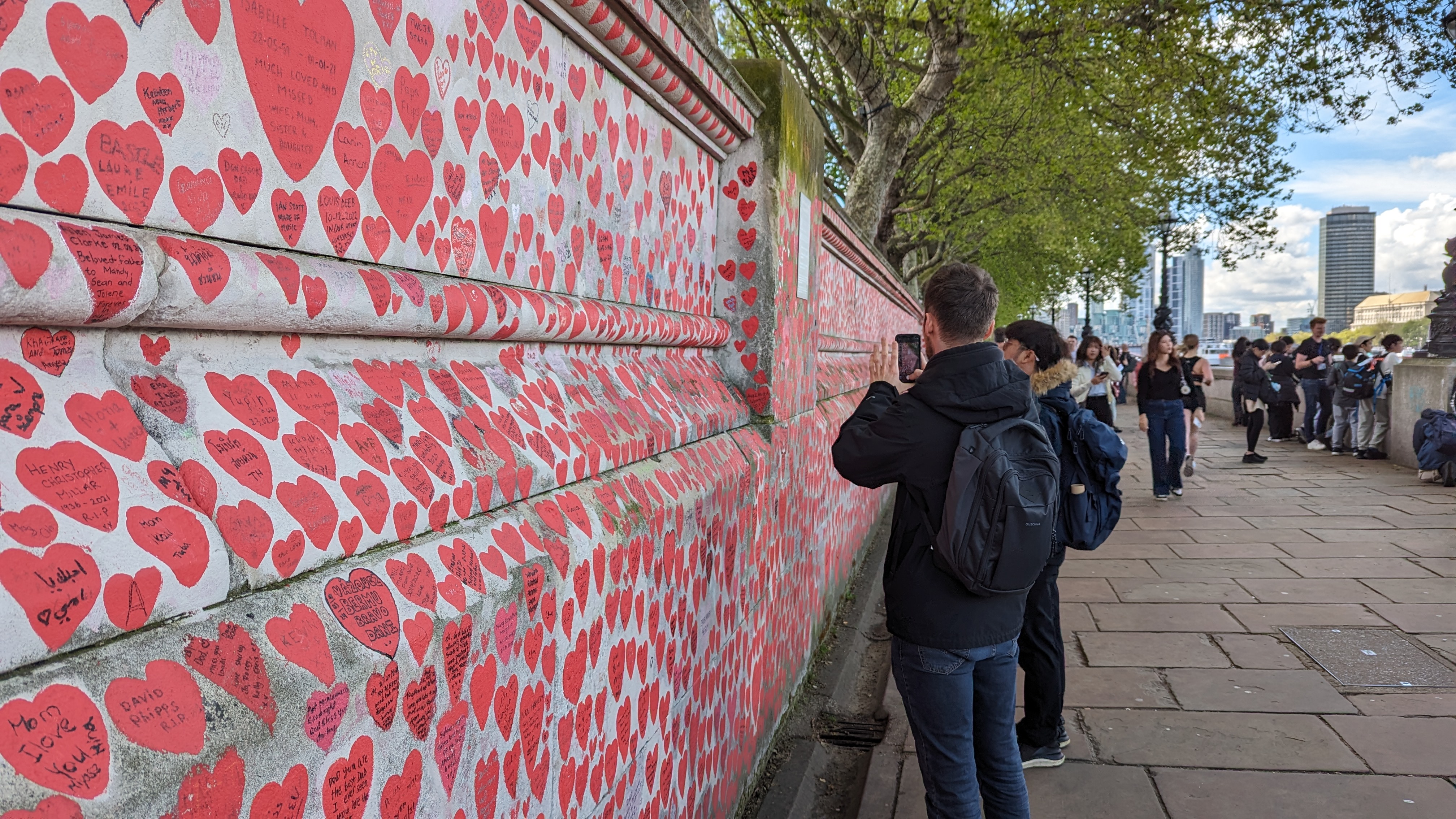
In this project, I attempt to answer these questions. To study this global disaster, I take an entirely global perspective. So far, with the help of nine research assistants from different countries, I have collected more than 200 cases of commemoration and memorialization from 11 countries with the highest mortality numbers, including the United States, China, India, Brazil, the United Kingdom, Russia, Peru, Italy, Germany, France, and Mexico. I examine cases of public mourning for important individuals, commemorative rituals, memorial sites, artistic works with memorialization purposes, and so on. Some of them are physically located in high-profile places, whereas others may only exist virtually on websites and social media. I treat commemoration and memorialization not as isolated objects but as focal points that involve social and political processes, including advocacy, sponsorship, organizing, public debates, activism, protests, etc. Such processes sometimes continue, revive, and renew even after the objects are finished or, in the cases of temporary art installations as memorials, have disappeared.
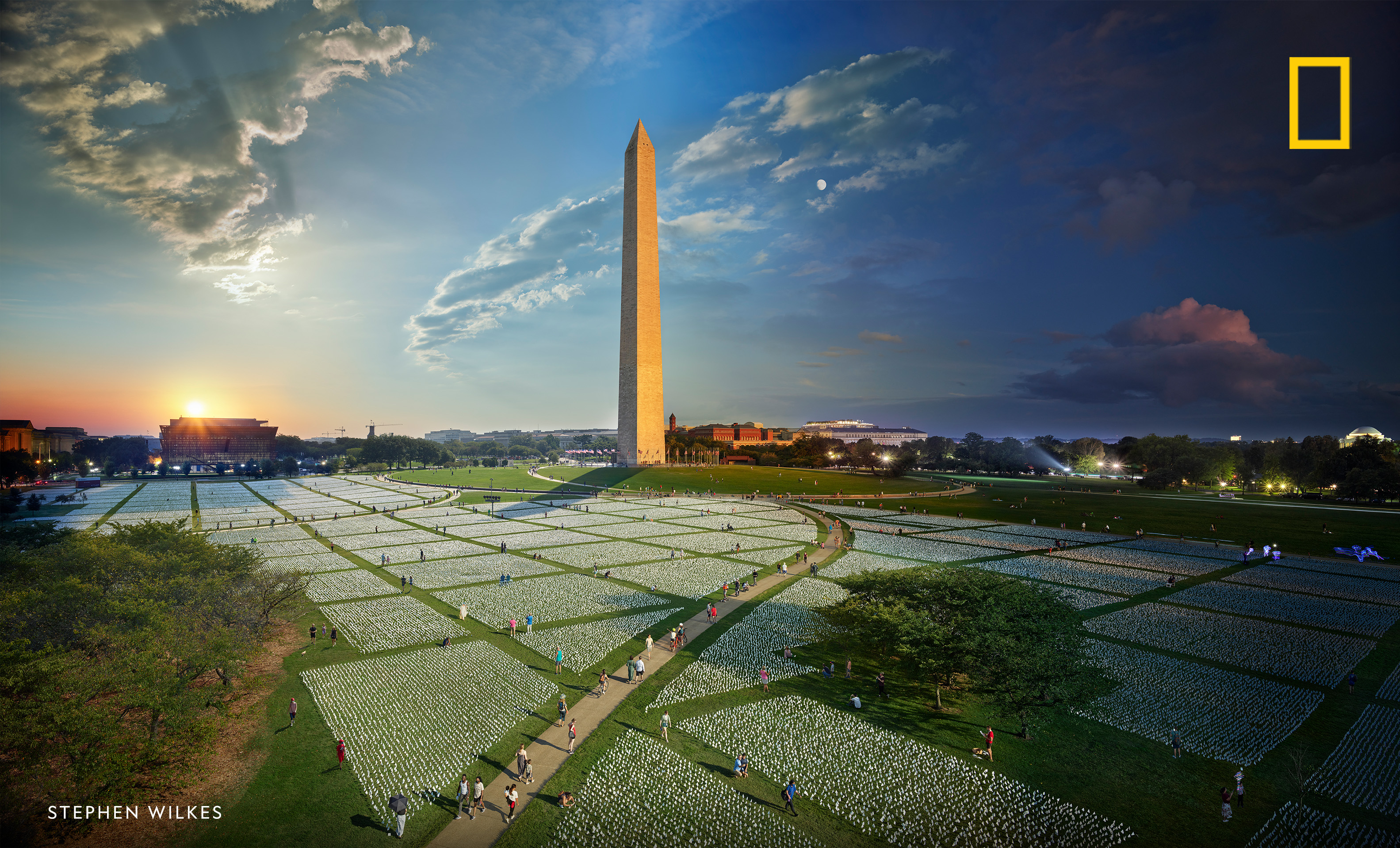
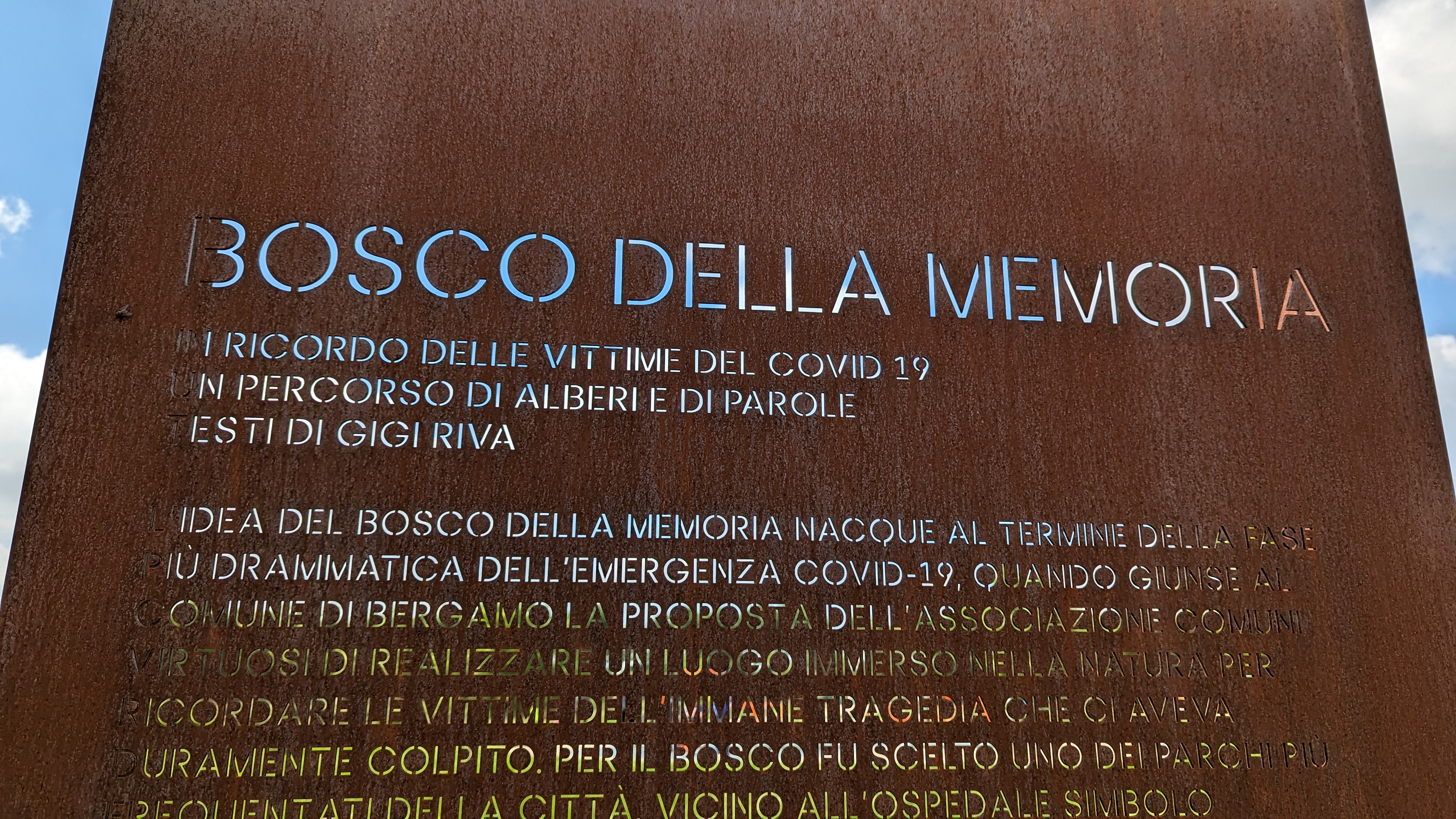
I am currently conducting or planning to do fieldwork to visit memorial sites and interview involved people to supplement the textual and visual materials I have collected. The sites are in the United States, Italy, the United Kingdom, and Brazil.
The final product of this project will be a nonfiction book with an accessible style but based on thorough research. The book will be of great interest to the general public, whose lives have been more or less impacted by the global pandemic. Many of them have lost their loved ones or witnessed losses, and most of them have opinions about the social and political issues related to the states’ and societies’ responses to the pandemic. Many books have addressed the COVID-19 pandemic from public health and political perspectives, but my book delves deeply into society’s most profound feelings about life and death, exploring the politics of death and suffering through the lens of memorialization and commemoration.
 Bin Xu's Personal Website